
"fruity undertones"
11149 article(s) found

Introduction to Jamaican Blue Mountain Coffee with rich, balanced and fruity flavor
The best Blue Mountain Coffee is undoubtedly one of the best. Although the price can ensure an adequate supply of Blue Mountain coffee, it does not guarantee the best flavor of the coffee. Also, this kind of coffee tastes much more expensive than it looks. If you want to taste its best flavor, you should put more coffee beans than other coffee, otherwise the flavor will be a little different, so the flavor is reflected in

Fruity coffee beans how to smell the rich fruit aroma of coffee is indispensable.
Professional coffee knowledge exchange more coffee bean information please follow the coffee workshop (Wechat official account cafe_style) front street-coffee fruit flavor introduction flower and fresh fruit aromas are the most difficult to capture, but they are the most attractive. The scent of flowers and fresh fruit is very representative in any culture, and it can almost be seen as an indicator of breeding in our genetic code.

Strong but not bitter but not strong Asian manor with slightly fruity flavor Yunnan small seed coffee beans
Yunnan Coffee A French missionary brought coffee to Yunnan from abroad and successfully planted it in a valley in Binchuan County, Yunnan Province. The coffee plants of this batch of coffee seeds are still blooming and bearing fruit in Binchuan County. The west and south of Yunnan Province are located between latitude 15 and Tropic of Cancer. Most areas are 1000-2000 meters above sea level, with mountains and slopes.

Ceylon Manor in Lake Attilan is washed with excellent sour and fruity aroma of coffee. How to drink it?
For more information on coffee beans, please follow the Coffee Workshop (official Wechat account cafe_style), one of the four major volcanic coffee zones in Guatemala. The soil of Attilan is the most fertile of all organic matter. 90% of the coffee is grown along extremely steep slopes all the way to Lake Attilan. The coffee in this area is fragrant, intoxicating and sour.

Papua New Guinea coffee with moderate acidity and fruity sweetness
In recent years, Papua New Guinea Coffee began to wash Arabica beans with its own unique high-quality water, representing Asia to enter the ranks of the world specialty coffee. The coffee style of Papua New Guinea has the characteristics of full particles, moderate acidity and mellow taste. Papua New Guinea is an island country in Oceania. Papua means curly hair in Malay.

The unique floral and fruity flavor of Ethiopian Yega Snow Aduoda coffee beans.
In comparison, the acidity of water washing treatment will be brighter, like citric acid, the taste will be more fragrant, citrus flavor will be more obvious; the sun will be more mellow, commonly known as coffee will be more bitter, the taste will be much stronger, but Yega snow coffee acidity and flower and fruit aroma obvious characteristics. Personally, I prefer washing to the sun, or even better, the sour taste of the fruit.
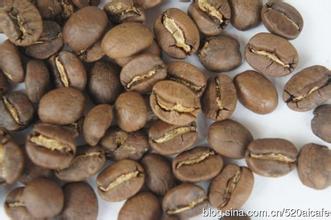
Zimbabwe coffee beans from Africa have a soft and smooth taste with rich fruity flavor.
Coffee cultivation in Zimbabwe (Zimbabwe) began relatively recently, in the 1960s, when farmers in southern Africa set up coffee plantations. Coffee cultivation in Zimbabwe is mainly concentrated in the eastern highlands near Mozambique, mainly by the Chimanimani Mountains and the northward Nyanga Mountains.

Zimbabwe Coffee quality Kenyan AA Coffee is as smooth and fruity as it is.
Zimbabwe's high-quality Arabica coffee beans cater to the needs of foodies. Coffee cultivation in Zimbabwe began relatively recently, in the 1960s, when farmers in southern Africa set up coffee plantations. Coffee cultivation in Zimbabwe is mainly concentrated in the eastern highlands near Mozambique, and the highlands are mainly made up of Chimanimani

Panamanian Coffee soft fruity single Coffee represents SHB Kadu of Ireta Manor in Panama
Country: Panama Grade: SHB production area: Santa Clara altitude: average 1600 m treatment: washed varieties: Kaddura Manor: Iletta Manor Flavor: bread and cream, almond sweet, sour and round
The price of Rosa coffee beans fruity coffee
The species of Geisha was discovered in the Rose Summer Forest of Ethiopia in 1931 and sent to the Coffee Institute in Kenya; it was introduced to Uganda and Tanzania in 1936, in Costa Rica in 1953, and Panama was introduced in the 1970s by Francesca of Dongba Seven Farm Garden. Mr. Serraxin got the seeds from CATIE in Costa Rica and started growing Rosa Coffee because
The price of coffee beans in summer coffee fruity coffee
The species Geisha was discovered in 1931 in Ethiopia's Guisha Forest and sent to the Coffee Institute in Kenya; introduced to Uganda and Tanzania in 1936, Costa Rica in 1953, Panama in the 1970s by Francesco de la Domba Seven Farm. Mr. Serrazin got seeds from CATIE in Costa Rica and started growing summer coffee, because
The price of Rosa coffee beans fruity coffee
The species of Geisha was discovered in the Rose Summer Forest of Ethiopia in 1931 and sent to the Coffee Institute in Kenya; it was introduced to Uganda and Tanzania in 1936, in Costa Rica in 1953, and Panama was introduced in the 1970s by Francesca of Dongba Seven Farm Garden. Mr. Serraxin got the seeds from CATIE in Costa Rica and started growing Rosa Coffee because
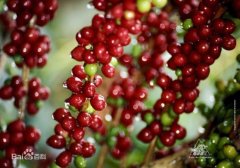
Ethiopian boutique coffee beans. Fruity coffee beans from Africa's famous producing areas.
Ethiopia is an agricultural country with a history and tradition of coffee origin. The place where the name coffee comes from is Kafa in the southwest, while Hitamo in the south is the main producer. The Eastern Highland Hara is as famous as the coffee name Hara.
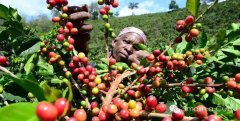
The famous African coffee producing area AFRICA COFFEES fruity coffee
African Coffee AFRICA COFFEES Kenya Coffee Kenya Coffees Tanzania Coffee Tanzania Coffees Ethiopia Coffee Ethiopia Coffees Yemen Coffee Yemen Coffees Zimbabwe Coffee Zimbabwe Coffees Zambia Coffee Zambia Coffees Uganda Coffee Uganda Coffees Rwanda Coffee Rwanda Coffee

Venezuelan coffee with a rich, fruity flavor
The Caracas perimeters, also known for coffee, have resumed production. The Jean and Andres Boulton plantations in Turgua are also home to tipika coffee trees. Characteristics of Venezuelan coffee: Venezuelan coffee tastes different from other Latin American coffees. It is delicious and lighter than traditional coffee.

Elegant and charming fruity Cajun Louis Manor Flavor Coffee Bean Flavor, taste and aroma description, Jane
Panamanian Panama Manor: Laida lot 10 Lerlda Estate Lot10 treatment: White honey treatment Honey varieties: Kaduai Catuai score and cup test CuppingScore:87 lime,floral coconut,clean,sparkling,mediumbody lime, coconut flower scent, clean, lively acid, medium alcohol thickness unique Colombian red wine

There is always a hint of fruity Honduran coffee beans in the taste.
The geography of Honduras is no less than that of its neighboring coffee-producing countries such as Guatemala and Nicaragua. There are 280000 hectares of coffee plantations in Honduras, mainly small coffee plantations, most of which are less than 3.5ha. These coffee plantations account for 60% of the total coffee production in Honduras. In the coffee garden, because the planting area belongs to the mountain area, so people

Light fruity flavor of Honduran Coffee Manor. Introduction to Santa Barara.
Honduras declared its independence on September 15, 1821, but was incorporated into the first Mexican Empire in 1822. He joined the Central American Union in 1823 and withdrew from the Central American Union in October 1838 to establish a republic. In 1840, with the support of Guatemalan dictator Rafael Carrera, conservative Francisco Ferreira established a dictatorship. After 1853, freedom in Honduras

It gives a faint fruity, lingering, smooth Dominican coffee finish.
The earliest coffee in Dominica was introduced from Martinique (French overseas department), dating back to the early 18th century. Dominica is an island country with a tropical climate. The temperature changes little throughout the year. Except for the middle Cordillera mountain area, where the temperature is lower than 0℃ in winter, the average annual temperature in other areas is between 25 and 30℃, which is affected by the terrain of the mountains.
The excellence and uniqueness of African coffee is juicy and fruity.
As I have been learning about African coffee last month, I want to find a way to complete this series and highlight the excellence and uniqueness of African coffee. Although there are certainly many kinds of coffee in Africa, African coffee is largely famous for its bright, fruity, almost juicy coffee. For those who think coffee is a little simple or mundane, prepare it carefully.